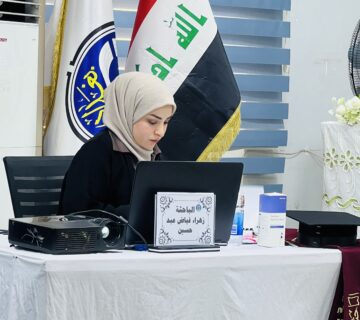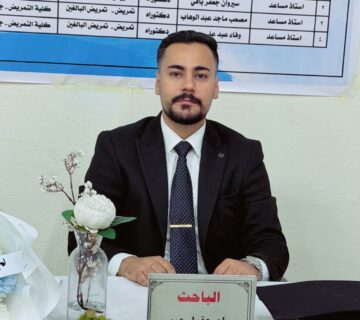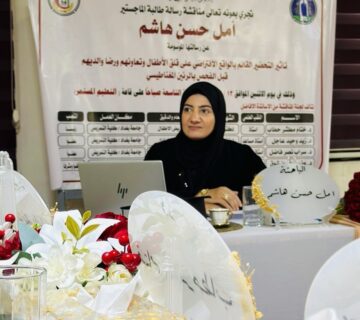

Assist. Prof. Dr. Wafaa Abd Ali Hattab and Lecturer Dr. Shaimaa Mohammed Hussein, faculty members at the College of Nursing, University of Baghdad, actively participated in person in the proceedings of the “9th International Scientific Conference on Science and Technology” (Scopus International Conference for Scientific Disciplines). The conference was organized by the North Europe Academy (Denmark) in collaboration with the College of Education at the University of Sulaimani, featuring extensive involvement from international academic institutions and research centers, held on the campus of the University of Sulaimani under the theme “Modern Technology: Leading Change for a Better Future” from September 16 to 18.
The researchers presented a specialized scientific paper titled: (The Relationship between Hemodialysis Patients’ Nutrition Compliance and Related Factors: A Cross-Sectional Study).
The study primarily focused on identifying the determinants and factors affecting hemodialysis patients’ adherence to clinically recommended dietary guidelines and nutritional regimens, alongside assessing the direct impact of dietary compliance on their health status, vital indicators, and quality of life. The authors offered actionable clinical recommendations aimed at enhancing nursing care standards and optimizing educational and healthcare interventions tailored to this patient population.
This active participation reflects the sustained commitment of the University of Baghdad and the College of Nursing toward international scientific engagement, academic exchange with esteemed global research bodies, and scholarly productivity within reputable international citation databases.
The outcomes of this research align closely with the Sustainable Development Goals (SDGs) championed by the College of Nursing at the University of Baghdad—particularly Goal 3 (Good Health and Well-being) and Goal 17 (Partnerships for the Goals)—by fostering cross-institutional scientific collaborations and advancing nutritional and nursing management strategies for chronic hemodialysis patients across healthcare institutions.