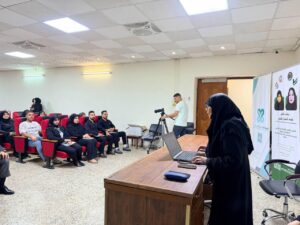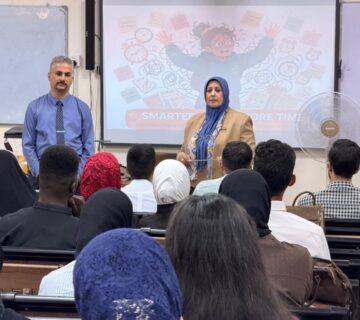
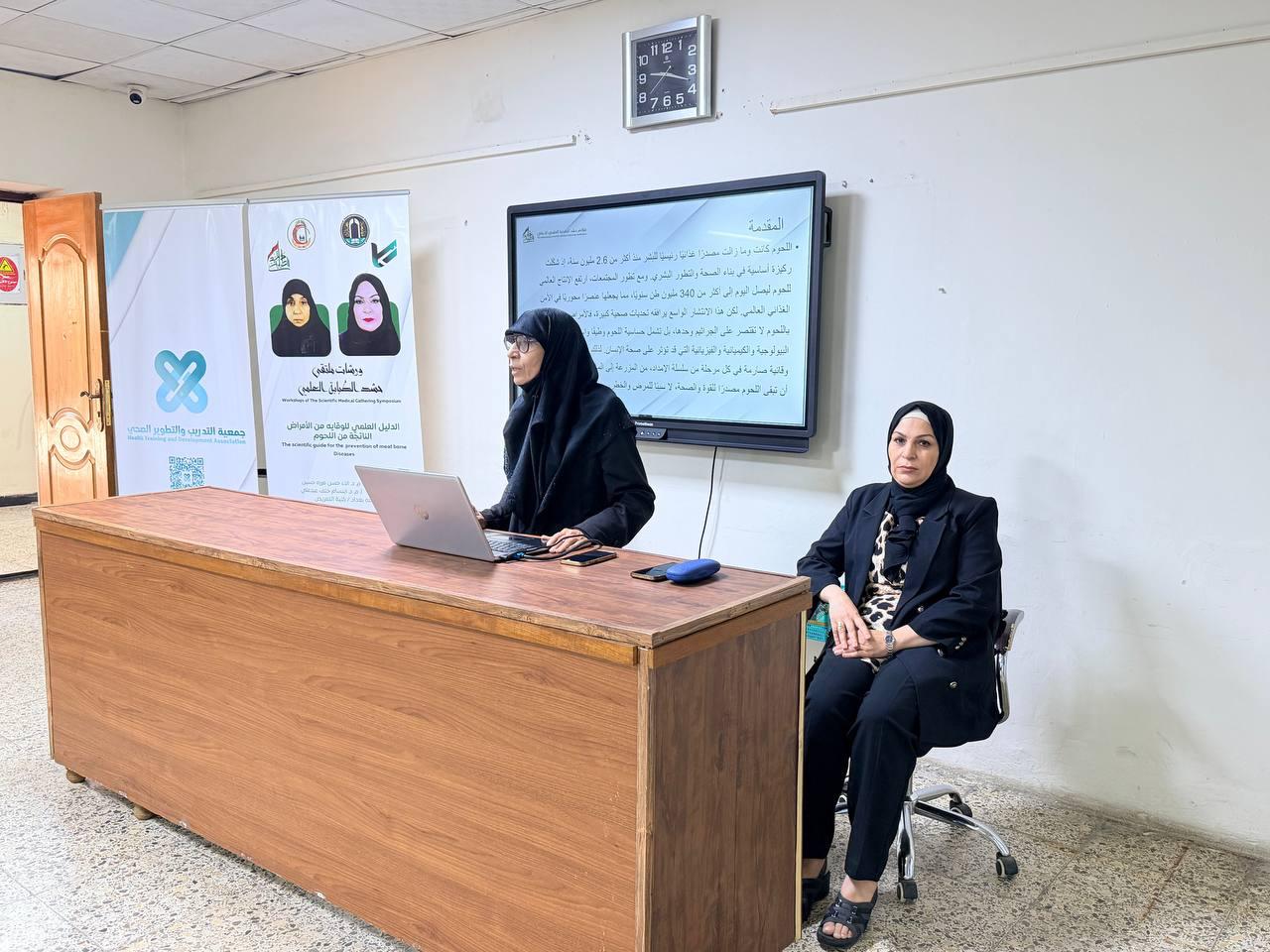
The College of Nursing at the University of Baghdad hosted a scientific and awareness-raising workshop titled “Scientific Evidence for the Prevention of Meat-Related Diseases” in the college’s museum hall, with active participation from academics, researchers, and specialists in the fields of public health, nursing, and field medicine.
This workshop was held as part of the “Al-Hashd Scientific Medicine Forum” and featured presentations by Assistant Professor Dr. Alaa Marza Hussein and Assistant Professor Dr. Ibtisam Khalaf Abdul Ali.
The workshop’s primary objective was to provide a comprehensive scientific guide on the health risks associated with the consumption of meat that does not meet health standards, and to raise awareness among the academic and local communities about how to prevent common and communicable diseases resulting from the circulation of contaminated meat, especially during seasons and occasions that see widespread meat consumption and require exceptional health measures.
The workshop produced a set of important scientific findings and guidelines for preventing these diseases. The two speakers emphasized the need for full compliance with veterinary inspections of animals prior to slaughter and for avoiding purchases from butchers who are not licensed and subject to health oversight, They also stressed the critical importance of proper meat preservation through immediate freezing and refrigeration to prevent bacterial growth, and avoiding washing raw meat in kitchen sinks to prevent the transmission of bacteria to other foods, In addition, they emphasized the need to cook meat thoroughly at high temperatures to ensure the elimination of pathogens and parasites, while calling on regulatory and health authorities to intensify inspection campaigns to ensure food safety standards are met.
This workshop aligns with the University of Baghdad’s vision to provide community services and promote health awareness, as it directly contributes to achieving the United Nations Sustainable Development Goals, specifically Goal 3 on good health and well-being by reducing the spread of foodborne diseases and safeguarding citizens’ health, Goal 4 on quality education by applying scientific research to solve real-world community problems and train medical and health personnel; and Goal 17 on forming partnerships to achieve the goals, which is clearly embodied in this joint and fruitful scientific collaboration between the academic institution and the Popular Mobilization Forces Medical Corps to provide the best humanitarian and health services to Iraqi society.